
We envision a world where Epithelioid Hemangioendothelioma (EHE) is easily diagnosed and treatable. Join our dedicated community by subscribing to our emails.

EMPOWER YOURSELF WITH KNOWLEDGE
Upcoming Foundation Events
Quick Links
Patients
Community
Latest EHE News, Events and Research

Retrospective study from Charité–Universitätsmedizin Berlin, Germany
A new retrospective study from Charité–Universitätsmedizin Berlin describes 41 people with EHE treated at the center between 1997 and 2022, offering a single-center picture of EHE presentation and outcomes. It was published in the Journal of Cancer Research and Clinical Oncology in July 2026. In this report, women made up the majority of cases (61%), […]
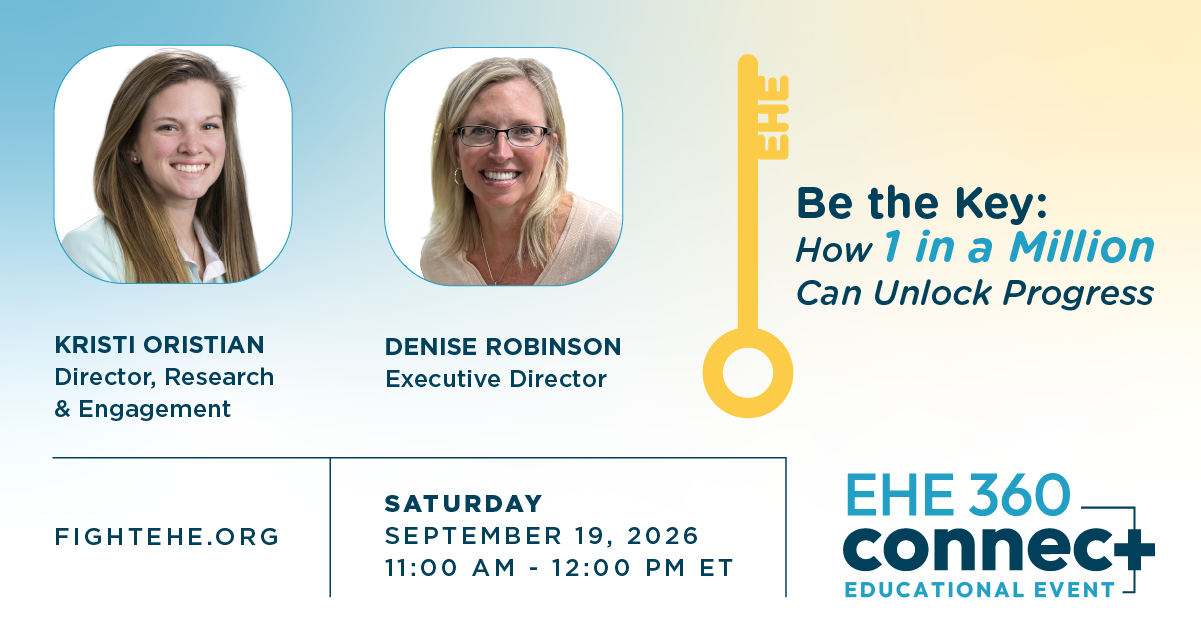
Be the Key – How one in a million can unlock progress!
Join Denise Robinson, Executive Director, and Kristi Oristian, Director of Research, for an interactive community conversation about why individual patient experiences are a critical need and an important component in unlocking progress for everyone affected by EHE. If you have EHE, you are one in a million, and you hold a key that can lead […]

EHE Foundation Welcomes Two New Board Members
We are pleased to welcome two new members to our Board of Directors: Amy Gilmore, CPA, and Dinesh Bande, MBBS, MD, MBA, FACP. Both bring extensive experience, leadership, and passion to our mission. As the leading global non-profit dedicated to finding effective treatments and a cure for EHE, we are grateful that they are lending […]

EHE Community Celebrates Sarcoma Awareness Month
Building awareness. Finding community. Many thanks to everyone who joined in for Sarcoma Awareness Month this July! By sharing photos and content, you helped raise awareness of sarcomas, like EHE. Wear Yellow Wednesday, EHE T-Shirt Tuesday, and Sunflower Sunday were just a few of the ways our community showed up and spread the word about […]
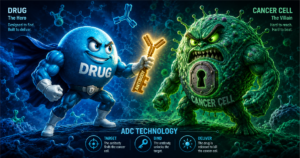
ADCs–Unlocking Future Treatment Advances for EHE
Why this matters for people with EHE For people living with EHE, finding an effective treatment and understanding who best benefits from treatments is one of the greatest challenges of this disease. Traditional chemotherapy is often ineffective for EHE, and the search for more effective treatment options is central to our mission at the EHE […]
A Powerful Community Gathering at the 2026 EHE 360 Global Conference
The EHE Foundation hosted the sixth annual virtual convening of the EHE 360 Global Conference on April 31 – May 1, 2026. The conference brought together patients, caregivers, clinicians, researchers, regulators, and industry partners from around the world to promote education, broaden research collaborations, and advance therapeutic development for epithelioid hemangioendothelioma (EHE), an ultra-rare sarcoma. […]

Giving Tuesday is November 28th
During the busy holiday season, The EHE Foundation asks that you join us in celebrating Giving Tuesday, not just on Tuesday, November 28th, but throughout the month of November. All proceeds will support our vision: a world where EHE is easily diagnosed and treatable. Retailers are bombarding us with Black Friday and Cyber Monday advertisements. Let […]

Spotlight on Young Investigator Nicholas Scalora, Advancing the Science Behind EHE
The EHE Foundation is proud to have awarded the 2023 Fellowship Travel Grant to Nicholas (Nick) Scalora, a 5th year graduate research assistant in the Tanas Laboratory, at the University of Iowa, where the team studies the role of the Hippo pathway in sarcomas. Dr. Munir Tanas, expert pathologist and researcher, was first author of […]
Highlights from CTOS 2023
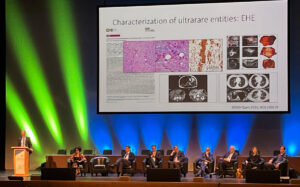
Last week EHE Foundation Director of Research Denise Robinson, attended the Connective Tissue Oncology Society (CTOS) 2023 annual meeting in Dublin, Ireland. Every year, physicians, scientists, and advocates from around the world come together to advance patient care and increase knowledge in connective tissue tumors. EHE is one of over 100 subtypes of sarcoma, which […]