
Kristianne Oristian, PhD
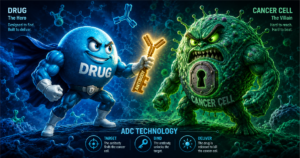
Why this matters for people with EHE For people living with EHE, finding an effective treatment and understanding who best benefits from treatments is one of the greatest challenges of this disease. Traditional chemotherapy is often ineffective for EHE, and the search for more effective treatment options is central to our mission at the EHE […]
Following the publication of results from a phase 2 study of eribulin in two vascular sarcomas, angiosarcoma and EHE, Dr. Tom Chen of National Taiwan University College of Medicine shared commentary in Clinical Cancer Research. He praised the investigators for their collaborative study while also pointing to important considerations for future research. Although angiosarcoma and […]

The European Organisation of Research and Treatment of Cancer (EORTC) is conducting research to better understand health-related quality of life (HRQoL) concerns among people living with rare cancers. Recently, researchers analyzed results from a group of 31 people with EHE from 11 different countries who participated in the study. The findings showed that pain–and the […]
Prior research has shown that a class of medications called microtubule inhibitors may be effective at controlling the growth of EHE tumors. Recently, researchers conducted a phase 2 study to test whether the microtubule inhibitor eribulin is a safe and effective way to treat patients whose tumors continued to grow after prior treatment. Six (6) […]
Scientists know that most EHE tumors are caused by specific genetic changes called gene fusions. In most people with EHE, two genes, WWTR1 and CAMTA1, are abnormally fused. In a smaller number of cases, a different fusion involving YAP1 and TFE3 is present. In a recent review published in Critical Reviews in Oncology/Hematology, the authors […]

A recent study published in the European Journal of Cancer represents the largest collection of data from people with EHE in Canada. Researchers found that EHE can behave very differently from person to person—about one-third of patients were diagnosed by chance and did not need immediate treatment, while others had more aggressive disease. About half […]