We envision a world where Epithelioid Hemangioendothelioma (EHE) is easily diagnosed and treatable. Join our dedicated community by subscribing to our emails.


EMPOWER YOURSELF WITH KNOWLEDGE
Upcoming Foundation Events
Quick Links
Patients
Community
Latest EHE News, Events and Research

Kylar K
Taz and Terry Kelly’s Story of Loving Kylar Through Their EHE Journey Taz and Terry‘s only child, Kylar, was diagnosed with EHE in the fall of 2024 at just 21 years old. What followed was seven months of hospital stays, hard-won recoveries, and devastating setbacks. This is their story of loving and losing Kylar, and […]
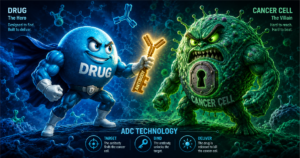
ADCs–Unlocking Future Treatment Advances for EHE
Why this matters for people with EHE For people living with EHE, finding an effective treatment and understanding who best benefits from treatments is one of the greatest challenges of this disease. Traditional chemotherapy is often ineffective for EHE, and the search for more effective treatment options is central to our mission at the EHE […]
A Powerful Community Gathering at the 2026 EHE 360 Global Conference
The EHE Foundation hosted the sixth annual virtual convening of the EHE 360 Global Conference on April 31 – May 1, 2026. The conference brought together patients, caregivers, clinicians, researchers, regulators, and industry partners from around the world to promote education, broaden research collaborations, and advance therapeutic development for epithelioid hemangioendothelioma (EHE), an ultra-rare sarcoma. […]

ASCO 2026: Conquering Cancer on the Global Stage
What an amazing ASCO 2026 for so many people affected by cancer. The ASCO Annual Meeting in Chicago brought tens of thousands of global oncology professionals together with the same goal – to change lives. EHE Foundation Executive Director Denise Robinson was there to represent the EHE community, raise awareness of patients’ needs, and connect […]

A Historic Day of Learning, Connection, and Community in Boston
For a cancer as rare as EHE, connection is something we intentionally create. On Saturday, April 11, 2026, EHE Foundation and Dana-Farber Cancer Institute hosted an inaugural EHE Education Day, bringing together patients, loved ones, clinicians, researchers, and advocates for a day of learning, discussion, and in-person connection. With more than 25 people in attendance, […]
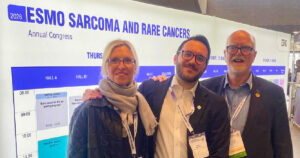
Advocacy in Action: ESMO Sarcoma and Rare Cancers Congress & EHE Research Meeting
In March, EHE Foundation was represented at two important meetings in Europe focused on sarcoma, rare cancers, and EHE research. These gatherings were invaluable opportunities to connect with clinicians, researchers, and fellow advocates working to improve care, deepen understanding, and advance progress for people affected by EHE. Executive Director Denise Robinson attended on behalf of […]
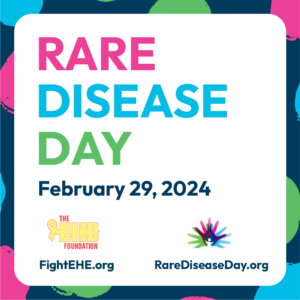
Rare Disease Day 2024
Rare Disease Day was February 29th, a very special rare day! We asked our community to help us build EHE awareness by submitting their EHE stories so that we could share them on our social media platforms and website to shine a light on EHE and rare diseases! Throughout the month, we shared the stories […]
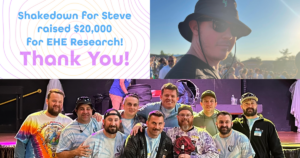
“Shakedown for Steve” Gives $20,000 in Memory of Steve Walsh, Jr.
What started as a GoFundMe page to help Steve Walsh with EHE-related medical expenses turned into a memorial as he lost his 10-month battle with EHE on September 22, 2023. From the Southside of Chicago, Steve is remembered for his love of life, sports, and the people closest to him. His sister, Jessica shared, “On […]
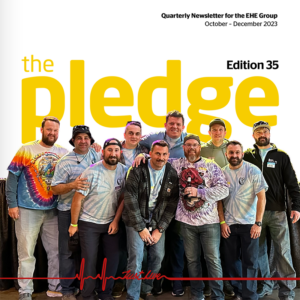
The Pledge: Edition 35, Q4 – October-December, 2023
Publication of The Pledge quarterly newsletter is led by the EHE Rare Cancer Charity (UK). EHE patient advocacy groups from around the globe. provide content including research news, patient and fundraising stories, and much more! Click here to view the most recent edition of our online EHE newsletter, The Pledge.