We envision a world where Epithelioid Hemangioendothelioma (EHE) is easily diagnosed and treatable. Join our dedicated community by subscribing to our emails.
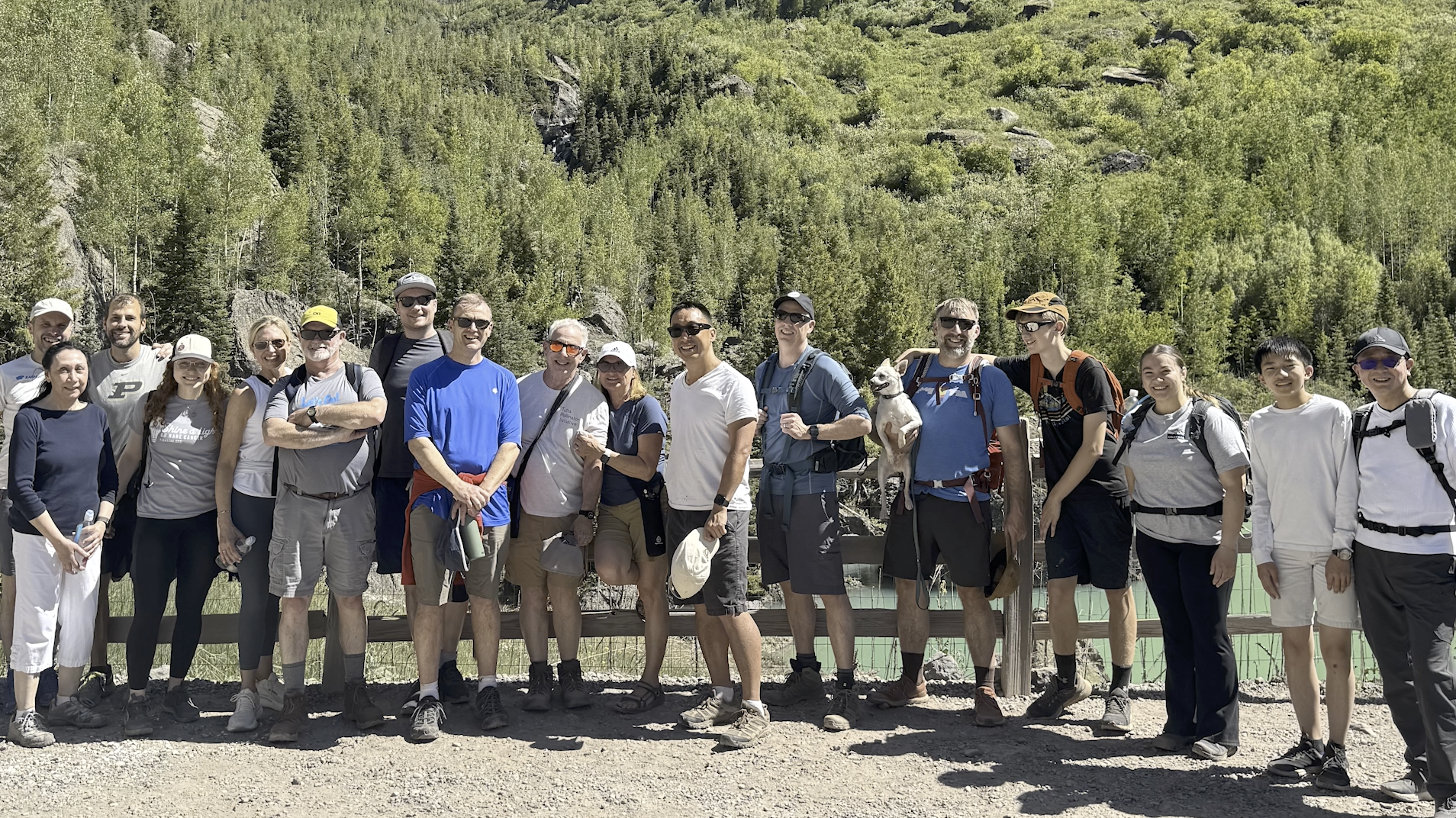
The EHE Foundation invests in innovative science and discovery that aims to find better treatments and a cure for EHE. These investments enable collaboration across diseases and scientific domains. See how the EHE Foundation advances EHE research by supporting scientists attending the YAP/TAZ and TEAD: At the Crossroads of Cancer workshop in Telluride, CO.
A short film produced, directed, and edited by Joy Weinberg.

EMPOWER YOURSELF WITH KNOWLEDGE
Upcoming Foundation Events
Quick Links
Patients
Community
Latest EHE News, Events and Research
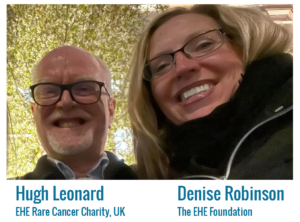
Science Saturday – Highlights and Progress in EHE Research
Join Hugh Leonard (EHE Rare Cancer Charity, UK) and Denise Robinson (The EHE Foundation) as they highlight EHE advancements and ongoing research around the world. As an ultra-rare sarcoma (cancer) community, research and awareness relies strongly on patients and advocates to keep moving forward until there are toward better treatments and eventually, a cure. Find […]
Giving Tuesday 2022 a Great Success
Thank you for helping us reach our $150,000 goal on Giving Tuesday to fund the 2023 Research Grants Program! A special thanks to the 374 donors, 16 people affected by EHE who held successful fundraisers, and the countless individuals that shared their personal EHE story and our mission. We are grateful for your contributions and […]
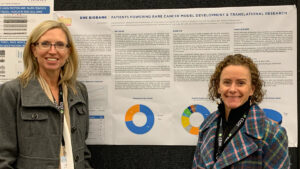
The EHE Foundation Attends CTOS 2022
With sincere gratitude to each patient who has contributed to the EHE Biobank, patient-driven research was on the global stage! Denise Robinson, The EHE Foundation Director of Research and Patty Cogswell, EHE Biobank Coordinator, presented a poster on the EHE Biobank on behalf of The EHE Foundation last month at the CTOS 2022 Annual Meeting […]
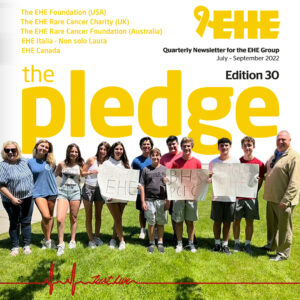
The Pledge: Edition 30, Q3 – July-September, 2022
Together, the US, UK, and Australia EHE foundations team up to strengthen the force against EHE. This group provides a quarterly update, which is led by the UK and includes research news, patient and fundraising stories, and much more! Click here to view the most recent edition of our online EHE newsletter, The Pledge.
2022 EHE Research Grant Awards Announced
The EHE Foundation has completed its 2022 EHE Research Grant cycle and is pleased to share that it has awarded the largest grants funding in its history – totaling $291,600 grants to three outstanding applicants. This amazing sum is complemented by additional private funds totaling $250,000, bringing this year’s total research investment to $541,600 USD. […]
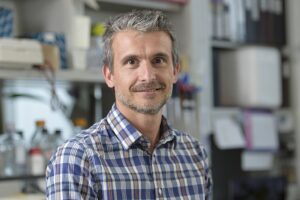
An Update from Memorial Sloan-Kettering Cancer Center – Investigating the Early Molecular Mechanisms of WWTR1::CAMTA1 and YAP1::TFE3 Gene Fusions in Driving the Pathogenesis of EHE
The EHE community, which includes cancer patients and their families from around the world, benefits from the world-class innovative research that takes place at Memorial Sloan-Kettering Cancer Center (MSKCC) in New York City (US). In 2019, MSKCC received a $1 million private donation to establish an International Center of Expertise in EHE and since that […]
Retrospective study from Charité–Universitätsmedizin Berlin, Germany
A new retrospective study from Charité–Universitätsmedizin Berlin describes 41 people with EHE treated at the center between 1997 and 2022, offering a single-center picture of EHE presentation and outcomes. It was published in the Journal of Cancer Research and Clinical Oncology in July 2026. In this report, women made up the majority of cases (61%), […]

EHE Foundation Welcomes Two New Board Members
We are pleased to welcome two new members to our Board of Directors: Amy Gilmore, CPA, and Dinesh Bande, MBBS, MD, MBA, FACP. Both bring extensive experience, leadership, and passion to our mission. As the leading global non-profit dedicated to finding effective treatments and a cure for EHE, we are grateful that they are lending […]
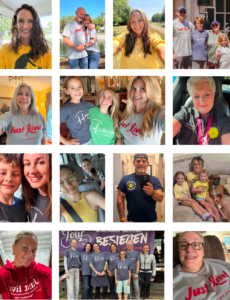
EHE Community Celebrates Sarcoma Awareness Month
Building awareness. Finding community. Many thanks to everyone who joined in for Sarcoma Awareness Month this July! By sharing photos and content, you helped raise awareness of sarcomas, like EHE. Wear Yellow Wednesday, EHE T-Shirt Tuesday, and Sunflower Sunday were just a few of the ways our community showed up and spread the word about […]