
We envision a world where Epithelioid Hemangioendothelioma (EHE) is easily diagnosed and treatable. Join our dedicated community by subscribing to our emails.

EMPOWER YOURSELF WITH KNOWLEDGE
Upcoming Foundation Events
Quick Links
Patients
Community
Latest EHE News, Events and Research
Clinical Trials for EHE
Greg Cote, MD, PhD, medical oncologist, and early-stage clinical trialist from Mass General Cancer Center joined us on July 27, 2024, to provide an in-depth look at the drug development process and discuss the landscape of clinical trials that include patients with epithelioid hemangioendothelioma (EHE). This webinar is essential for patients, families, healthcare providers, and […]
Advancing our Mission, Representing EHE Patients at ASCO 2024
Our Interim Executive Director and Director of Research, Denise Robinson, recently represented epithelioid hemangioendothelioma (EHE) patients at the 2024 ASCO Annual Meeting in Chicago, Illinois, where nearly 40,000 global oncology professionals convened. The American Society of Clinical Oncology (ASCO), is the world’s leading organization for oncology, bringing together advocates, healthcare providers, and related professionals to […]

Reflecting on Success: 2024 EHE Fun Run & Walk Recap
With enthusiasm and gratitude, The EHE Foundation is proud to celebrate another successful year of the Annual EHE Fun Run & Walk. This event, dedicated to supporting The EHE Foundation’s mission to find treatments and a cure for epithelioid hemangioendothelioma (EHE), always brings our community together in an extraordinary way! With 1387 registrations, our hearts […]
Planting Seeds for Future Developments: EHEF Research Grant Grows
The EHE Foundation invests in novel EHE research yearly through its EHE Research Grants Program. The program officially began in 2021, with only a few applicants interested in EHE research. Today, 10 applicants have submitted proposals in our 2024 grants cycle. Along the way, we have had the good fortune to meet and collaborate with […]
Ikena Oncology IK-930 Update
On May 28, 2024, Ikena Oncology announced they are discontinuing the development of IK-930. We share your frustration and disappointment and understand the devastating impact felt by patients. Following this announcement, we met with Ikena to impress upon them the urgency and importance that patients deriving benefits from IK-930 continue to have access to the […]

Navigating the Mental Health Challenges of an EHE Diagnosis and Treatment
Updated: April 18, 2025 A cancer diagnosis can be one of the most daunting experiences in life, not just physically, but mentally and emotionally as well. The journey through diagnosis, treatment, and everything in between often feels like a roller coaster, filled with uncertainty, fear, and a range of intense emotions. It’s essential to acknowledge […]

Retrospective study from Charité–Universitätsmedizin Berlin, Germany
A new retrospective study from Charité–Universitätsmedizin Berlin describes 41 people with EHE treated at the center between 1997 and 2022, offering a single-center picture of EHE presentation and outcomes. It was published in the Journal of Cancer Research and Clinical Oncology in July 2026. In this report, women made up the majority of cases (61%), […]

EHE Foundation Welcomes Two New Board Members
We are pleased to welcome two new members to our Board of Directors: Amy Gilmore, CPA, and Dinesh Bande, MBBS, MD, MBA, FACP. Both bring extensive experience, leadership, and passion to our mission. As the leading global non-profit dedicated to finding effective treatments and a cure for EHE, we are grateful that they are lending […]
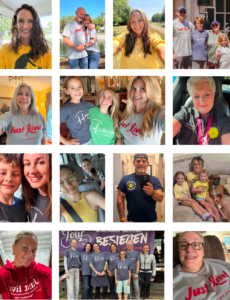
EHE Community Celebrates Sarcoma Awareness Month
Building awareness. Finding community. Many thanks to everyone who joined in for Sarcoma Awareness Month this July! By sharing photos and content, you helped raise awareness of sarcomas, like EHE. Wear Yellow Wednesday, EHE T-Shirt Tuesday, and Sunflower Sunday were just a few of the ways our community showed up and spread the word about […]