
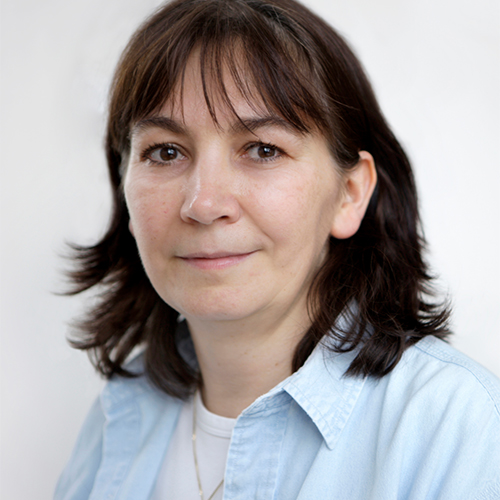
Investigator: Valerie Kouskoff, PhD, University of Manchester
Dr. Kouskoff was awarded a grant in 2022, which proposed to test the druggability of the DNA damage response interference in TAZ-CAMTA-1-expressing endothelial cells using PARP inhibitor compounds which have been shown to block the DNA damage response and induce synthetic lethality in cancer cells already harboring mutations in this pathway.
Dr. Kouskoff and her team have completed the work under this grant and have provided the following conclusion:
TAZ-CAMTA-1-expressing (TC) endothelial cells are resistant to apoptosis and displayed little sensitivity to the inhibitors tested in this project. This effect was particularly marked in TC high populations and when cells have been expressing TC for a long time. One potential explanation for this is that over time TC-expressing cells acquire further genetic mutations, allowing for rewiring around pathways targeted by the inhibitors and survival. Of the inhibitors investigated, navitoclax, a BCL2 inhibitor, holds the most promise, both alone and in combination. Further investigation is warranted to determine optimal concentrations and dosing strategies for selectively inducing cell death in TC-expressing endothelial cells. It would also be important to perform more biological repeats of the experiments detailed in this report, particularly as the results were inconclusive for some inhibitors. Moreover, it would be of interest to examine the efficacy of these inhibitors in other model systems, including in vivo.