For a cancer as rare as EHE, connection is something we intentionally create.
On Saturday, April 11, 2026, EHE Foundation and Dana-Farber Cancer Institute hosted an inaugural EHE Education Day, bringing together patients, loved ones, clinicians, researchers, and advocates for a day of learning, discussion, and in-person connection.
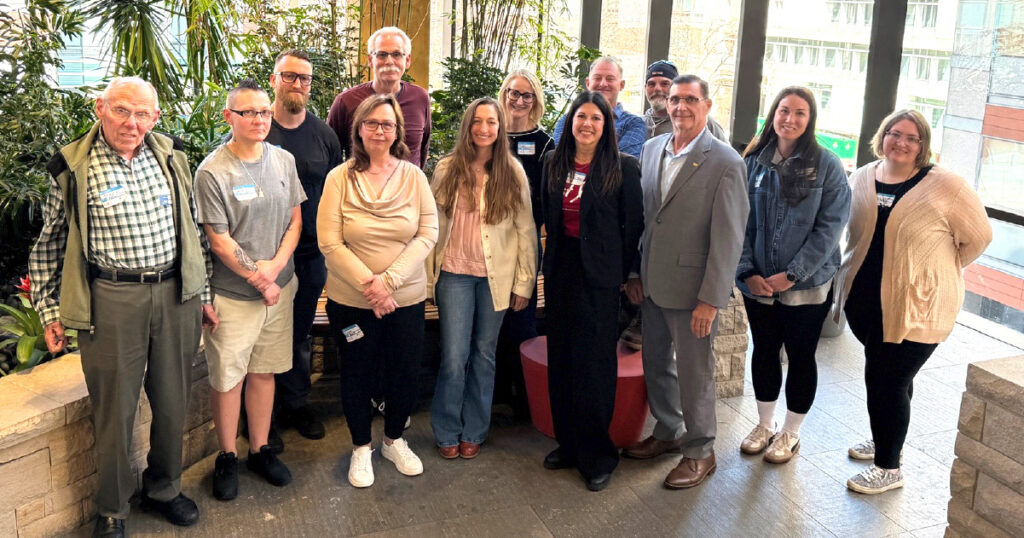
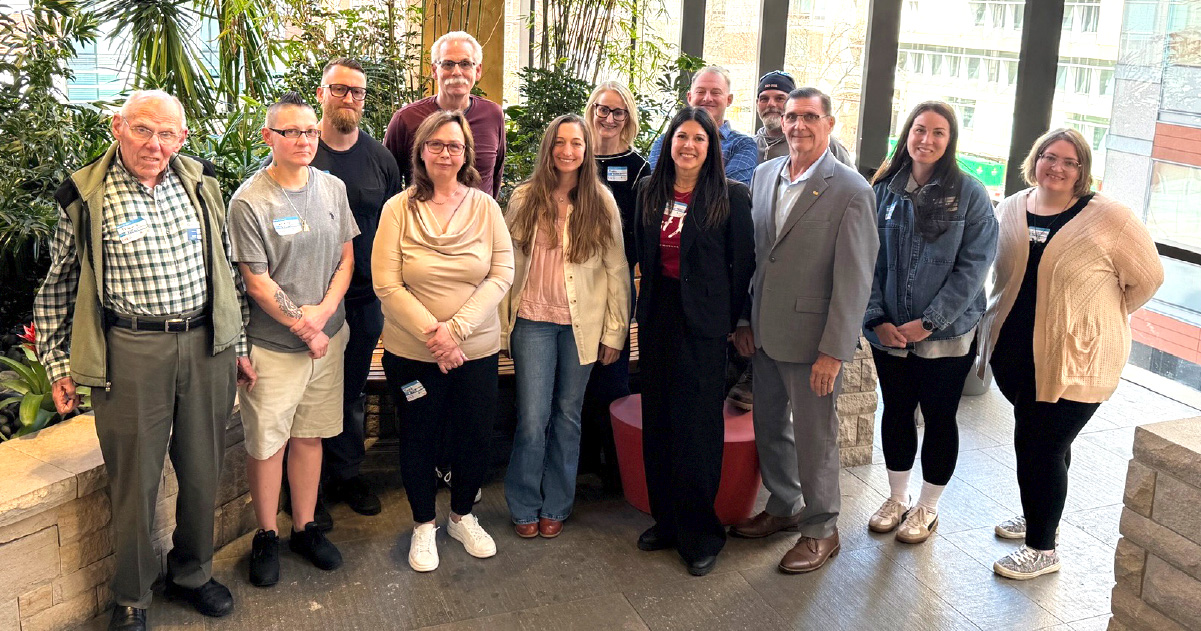
With more than 25 people in attendance, including 13 people living with EHE, the event marked possibly the largest known in-person gathering of people affected by EHE. For an ultra-rare patient community, that is something truly worth celebrating.
The day featured presentations by Drs. Priscilla Merriam, Michael Wagner, Andrew Wagner, sarcoma specialists and medical oncologists, complemented with a discussion by Caitlin McDonough on psychosocial support resources. Denise Robinson discussed patient-powered research and its importance in advancing research to find better treatments for EHE. The experts discussed advancements in EHE research, clinical care, and clinical trial opportunities for people with EHE. Attendees had the opportunity to engage in open dialogue, learning from specialists and one another to better understand EHE and navigate care, while sharing a common goal of improving treatment options for patients.
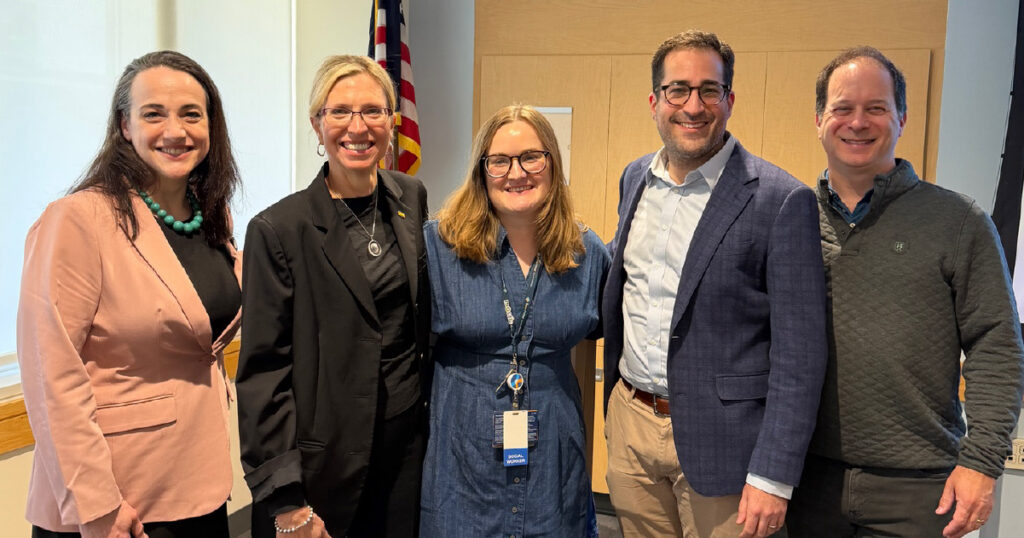
Pictured: Priscilla Merriam, MD, Denise Robinson, Caitlin McDonough, LICSW, Michael Wagner, MD, Andrew Wagner, MD, PhD
The day was about more than research updates. It was also about being together.
The energy in the room was remarkable. Patients and families who may have only connected online before had the chance to meet face-to-face, share experiences, ask questions, and support one another. In a rare cancer community, these moments matter. They remind us that no one facing EHE is alone, and that progress is built not only through science, but through the strength and participation of the people most affected.
We are deeply grateful to the Dana-Farber Cancer Institute (DCFI), to Dr. Michael Wagner for his partnership in event planning, to the DCFI team for their impactful presentations and participation in the discussion, and to all who helped make this event possible. Collectively, their commitment to EHE research and patient education made the day both informative and meaningful.
We are also grateful to every patient, caregiver, and loved one who attended. Your presence helped make this gathering historic. You showed what is possible when the EHE community comes together with purpose, hope, and a shared commitment to advancing research and care.
EHE Education Day – Boston was an important first step, and it laid the foundation for more opportunities to gather, learn, and connect in person in the future.
Together, we are building something powerful: a connected, informed, and engaged global EHE community.