
Treating & Managing EHE
An ultra-rare disease requires specialized care.
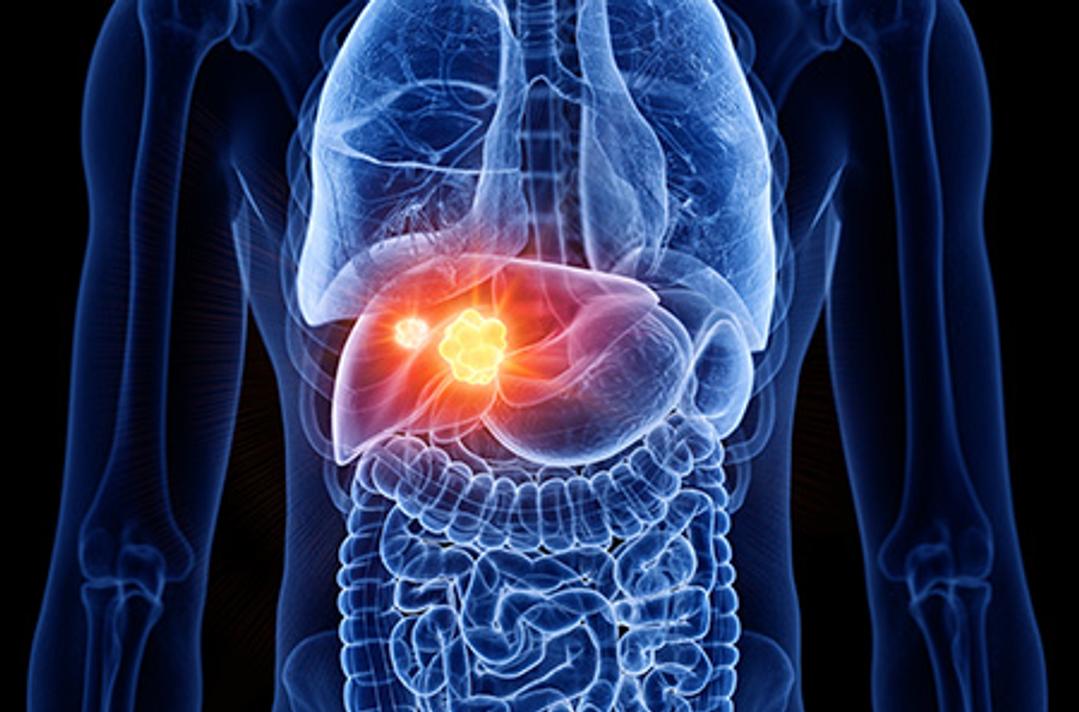
Because EHE presents in such varied ways, treatment and clinical management are highly individualized. The presentation of this ultra-rare vascular sarcoma can range from indolent (slow and stable) to actively progressing. Tumors can arise anywhere in the body, most commonly in the liver, lungs, and bones, and behave unpredictably from person to person.
Treatment decisions depend on the location of tumors, the extent of disease, whether it's causing symptoms, and how it's changing over time.
Clinical Presentations
EHE can present anywhere in the body and is often metastatic at the time of diagnosis. Explore the most common clinical presentations of the disease.

Treatment Options
From active surveillance to surgery to systemic therapies, EHE is managed through a range of approaches. Learn what the options are and when each is considered.

Imaging & Surveillance
Regular imaging is central to EHE management — at diagnosis, during active surveillance, and during and after treatment. Understand which scans are used and why they are an important part of a proactive care plan.

Pain Management
Pain can be significant with EHE and is not fully understood. Learn about the current evidence-based approaches to managing EHE-related pain.
Find Expert Care
Because EHE is ultra-rare, it is frequently misdiagnosed or managed by clinicians who have never encountered it before. The most important step a person with EHE can take is to seek care at a sarcoma reference center, which is a large academic medical center with a dedicated, multidisciplinary team experienced in treating rare and complex sarcomas. Expert care from diagnosis throughout the course of the disease is among the most significant factors in improving outcomes.
Clinical Trials for EHE
There are currently no drugs approved specifically for the treatment of EHE. Clinical trials offer access to emerging therapies and, for some, represent the most viable treatment option available.

Continue Learning
Disease presentation informs care planning. Learn about the various ways EHE may present in the body.