EHE 101
Essential Information on Epithelioid Hemangioendothelioma (EHE)
What is EHE?
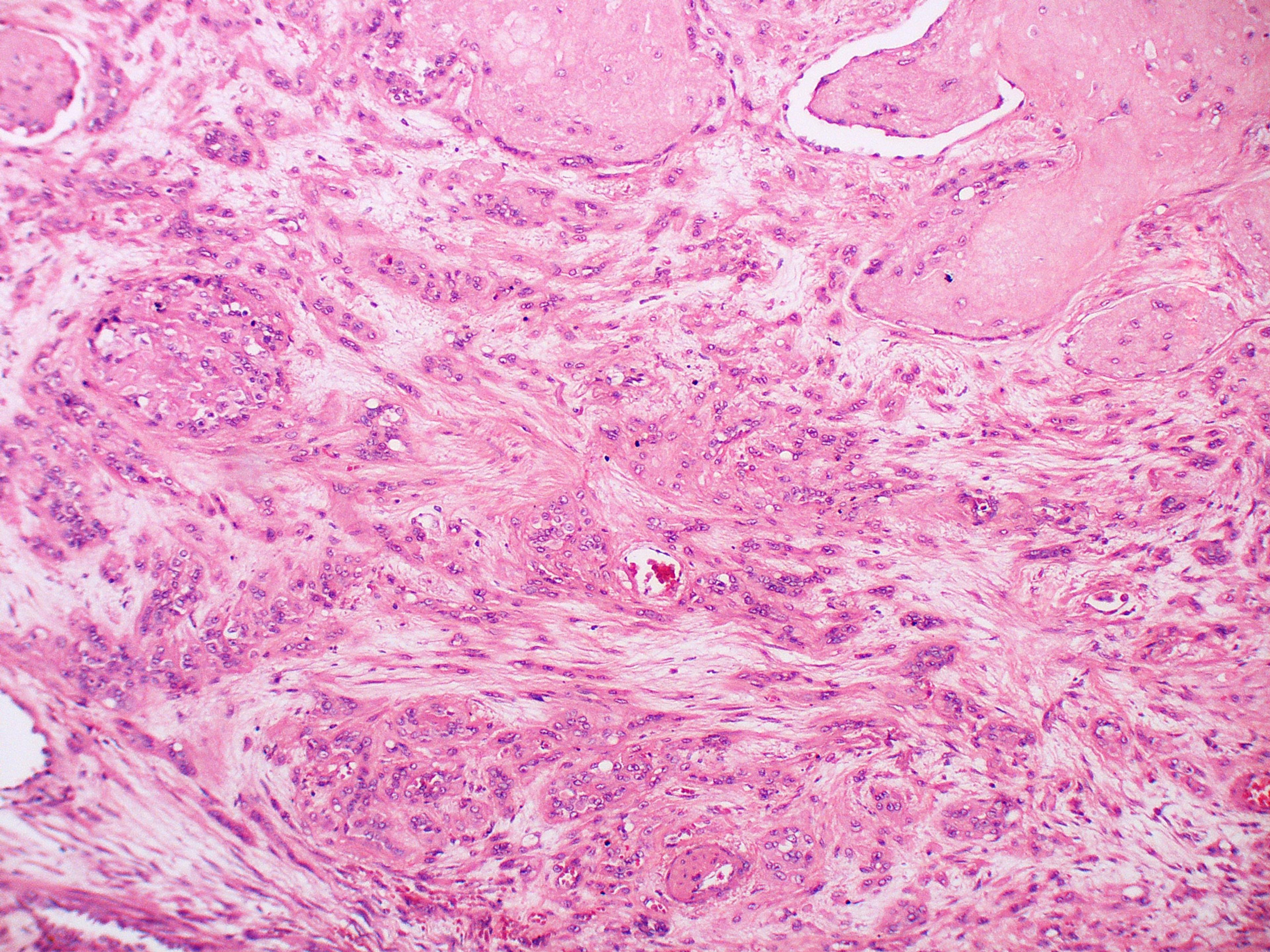
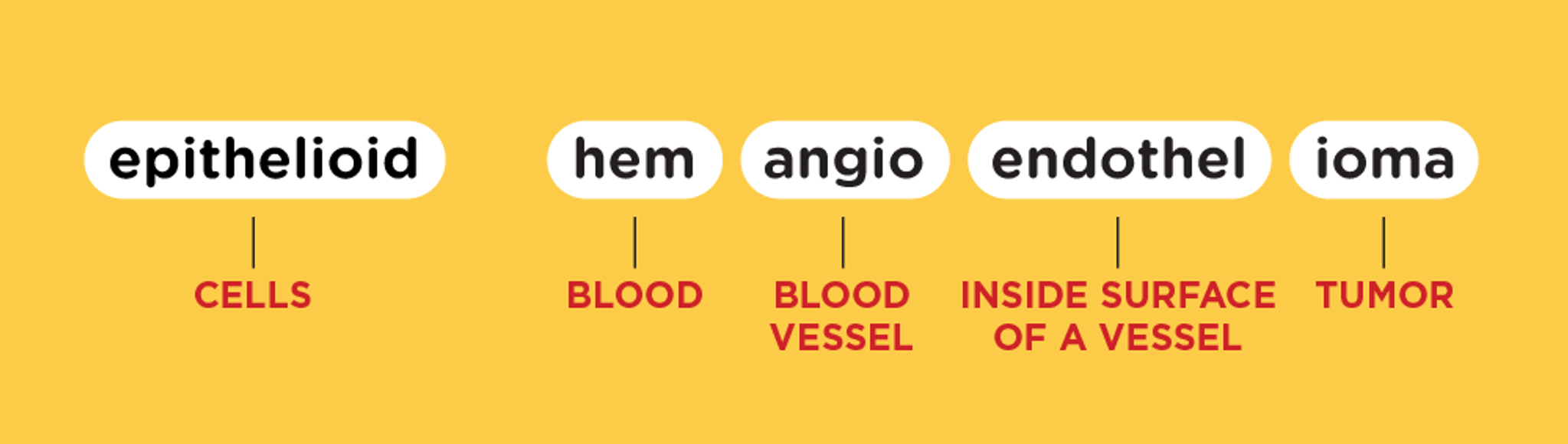
Epithelioid hemangioendothelioma (EHE) is an ultra-rare cancer, specifically a type of sarcoma, that arises from cells in the lining of blood vessels. It affects people of all ages and behaves differently from most cancers—sometimes growing very slowly and other times behaving more aggressively.
EHE is a vascular sarcoma—a cancer that begins in the cells lining blood vessels (endothelial cells). It is ultra-rare, affecting fewer than one person per million each year.
EHE can occur anywhere in the body, but it most often arises in:
- Liver
- Lungs
- Bones
- Soft tissues
- Blood vessels
Many people are diagnosed incidentally after routine imaging or tests done for other reasons, without any signs or symptoms of disease.
Symptoms
Symptoms associated with EHE vary widely and may depend on its location. Some people have no symptoms at all, while others may experience:
- Pain or discomfort at the tumor location
- Shortness of breath or cough
- Abdominal pain, nausea, or fullness
- Bone pain
- Fatigue, weight loss, fevers, or night sweats
How is EHE diagnosed and staged?
Biopsy
A biopsy is necessary to confirm an EHE diagnosis. Molecular assessment or immunohistochemical (IHC) staining should be performed to detect the WWTR1-CAMTA1 or YAP1-TFE3 gene fusions. Other differential markers may include CAMTA1, CD31, ERG, CD34, and FLI-1. These fusions and markers help distinguish EHE from other cancers that may mimic EHE. It is strongly recommended that an EHE diagnosis be confirmed by a pathologist experienced in sarcoma, preferably at a sarcoma reference center or a large academic medical center. A confirmed diagnosis is an important step to inform the treatment plan.
Imaging
At diagnosis, it is important to have comprehensive imaging to understand where EHE is in the body. The Experts’ Consensus paper on EHE management recommends whole-body imaging, including the brain. This may be performed by computed tomography (CT) or magnetic resonance imaging (MRI). To understand the full extent of the disease, doctors may use these assessments alone or in combination:
- CT scans may often be used to assess the brain, chest, abdomen, and pelvis
- MRI may be used for whole body, brain, liver, soft tissue, or bone involvement
- FDG PET/CT may be used to identify pulmonary and bone lesions or additional tumor locations
Visit Imaging & Surveillance for more details about assessing and monitoring EHE using imaging and scans.
Staging of EHE
EHE is not staged using the standardized 1-4 staging system used for other common cancers, and there are currently no validated pathological or molecular factors to determine prognosis. Instead, experts use a combination of factors, including disease spread (metastasis), tumor size and mitotic activity, and the presence of systemic signs and symptoms.
Expert Review Matters
Because EHE is rare, an accurate diagnosis often requires review by a sarcoma reference center or by doctors and pathologists who specialize in sarcomas.
Brian Rubin, MD, PhD, an expert pathologist at the Cleveland Clinic, discusses the importance of obtaining the correct diagnosis in a recording from the 2026 EHE 360 Global Conference.
What makes EHE unique?
- Unpredictable behavior: EHE can have an indolent presentation without any signs or symptoms. It may be slow-growing or remain stable for a long time; alternatively, some patients present with aggressive disease.
- Often metastatic and/or multifocal: Many people have tumors in more than one organ or body part at the time of diagnosis - this is metastatic EHE. People may have many, sometimes innumerable, tumors in one organ - this is called multifocal disease. Neither metastatic nor multifocal disease are automatically correlated with poor outcomes.
- Genetic fusions: Most EHE tumors have a specific gene fusion—WWTR1-CAMTA1 (~90%) or, less commonly, YAP1-TFE3 (~10%). These fusions distinguish EHE from other cancers.
- Because EHE is ultra-rare, management should be performed by a sarcoma specialist or a sarcoma reference center experienced in treating EHE.
Prognosis
Currently, there are no validated pathological or molecular factors to determine a person’s prognosis. Instead, experts use a combination of factors, including disease spread (metastasis), tumor size and mitotic activity, and the presence of systemic signs and symptoms. EHE does not behave like most cancers, and prognosis varies widely among individuals.
What affects prognosis?
- Extent of disease: Whether EHE is in one or multiple organs or body parts; serosal involvement has a poorer prognosis. The serosa is the outer lining of organs in the chest and abdomen.
- Signs and symptoms: Weight loss, pain, or fluid around the lungs or in the abdomen
- Tumor burden and progression: Size and number of tumors, and whether they are growing
Important to know
- Some people remain stable for many years and are monitored through active surveillance, or “watch and wait,” without treatments or interventions.
- Some people experience signs and symptoms that can indicate a change in disease or progressive disease that requires active management.
Treatment & Management of EHE
Because EHE is highly variable in its presentation, treatment plans and clinical management are highly individualized. Treatment decisions depend on the location of tumors, the presence of disease-related symptoms, and how tumors change over time. Some people may not require immediate treatment and may be monitored through active surveillance (“watch and wait”).
There are currently no systemic therapies or interventions specifically approved for EHE. Systemic therapies are prescribed off-label, meaning a drug approved for another condition is used.
This overview reflects guidance from the Experts’ Consensus Paper on the management of EHE.
People diagnosed with EHE are an important part of the care team. Building knowledge about the disease and seeking care from a sarcoma specialist can help shape a treatment plan suited to a person's disease and individual needs. For guidance on approaching that process, visit our Care Planning page.
EHE in Children, Adolescents & Young Adults
EHE can occur at any age, including in children, teens, and young adults. Like anyone diagnosed with EHE, children require expert care, with a focus on pediatrics and young adults due to the potential long-term effects of the disease and treatment on the growing body.
Approaches to EHE Care
EHE care is highly individualized. Learn how specialists approach monitoring, treatment, and supportive care based on disease behavior, symptoms, and individual needs.