Published on: September 8, 2026
Categorized as: Research
Inside 2026 YAP/TAZ and TEAD: At the Crossroads of Cancer, and Why It Matters for EHE
This summer, EHE Foundation Executive Director Denise Robinson traveled to Telluride, Colorado, for YAP/TAZ and TEAD: At the Crossroads of Cancer, an annual scientific workshop dedicated to one of the most promising areas of EHE research today. It was the first time the EHE Foundation had a seat at this particular table, bringing the patient’s voice into the conversation.
A meeting built for exchange
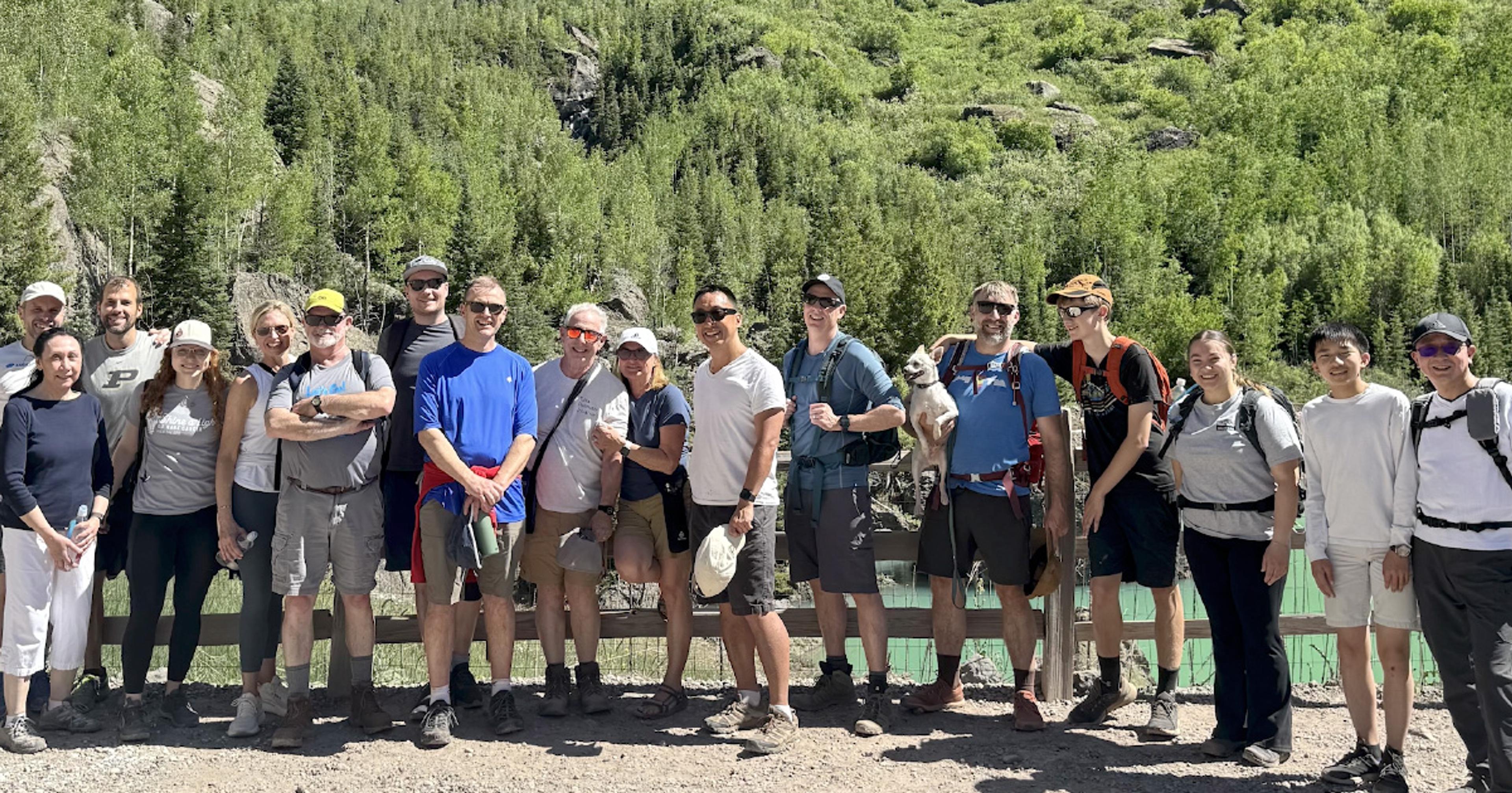
Hosted by the Telluride Science and Innovation Center, the workshop is co-organized by Dr. Guy Weinberg, who also serves on the EHE Foundation Board of Directors, and Dr. John Lamar, a member of the Foundation’s Scientific and Medical Advisory Board and long-time EHE researcher. Together, they've built a workshop where the format matters as much as the science: researchers and clinicians from academia and industry spend the week working through unpublished findings, open questions, and early-stage ideas, set against the inspiring backdrop of the San Juan Mountains. Mornings are spent in classrooms, and afternoons on the trails, with ideas and collaborations developing.
Why a meeting that isn't about EHE matters
YAP/TAZ and TEAD: At the Crossroads of Cancer is not a meeting about EHE. The pathway these scientists study, the Hippo-YAP/TAZ-TEAD pathway, drives a range of cancers and conditions well beyond ours.
But EHE sits close to its center. The gene fusions that define our disease, TAZ-CAMTA1 and YAP1-TFE3, act directly on the transcriptional machinery these researchers are working to understand and target. That places EHE in front of scientists who might otherwise never encounter an ultra-rare cancer, and it means that progress on this pathway, wherever it comes from, has real potential to advance our understanding and treatment of EHE.
What we saw firsthand
Denise described what she witnessed in Telluride as a genuinely collaborative community: researchers sharing findings before they're published, openly challenging and supporting one another's assumptions, and forming new collaborations.
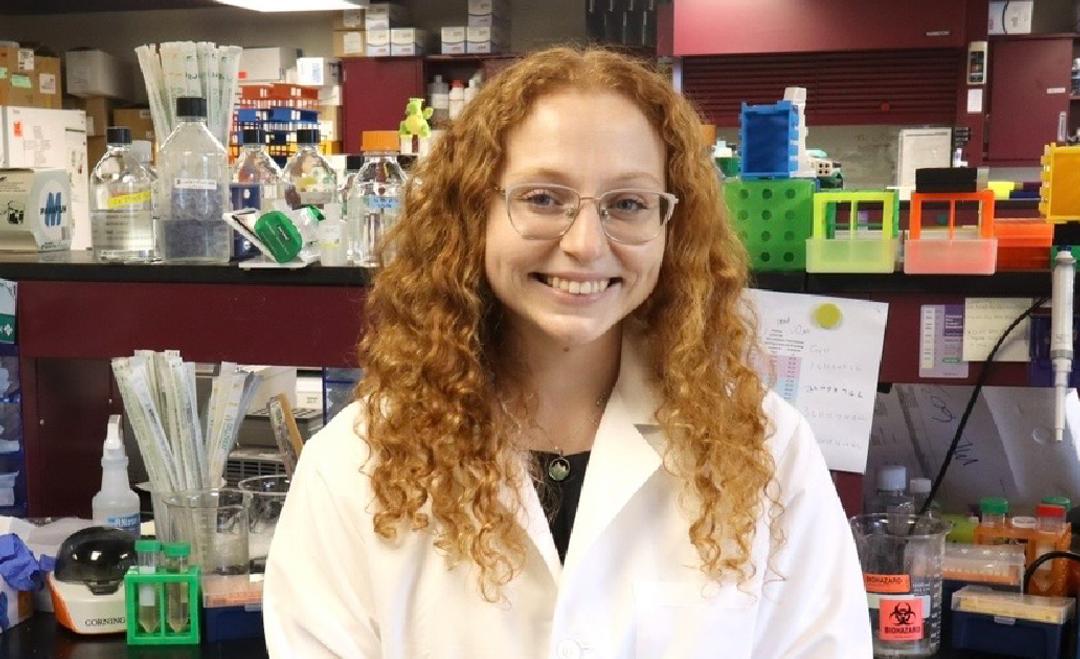
The EHE Foundation directly supports and collaborates with many of the leading scientists who attend this forum. In addition to Dr. Lamar's research grant, Sarah McMullan, an early-career scientist in his laboratory, attended for a second time this year on an EHE Foundation Early Investigator Grant. Read Sarah's story here. Drs. Munir Tanas, Brian Rubin, and Sandro Pasquali were also in attendance, along with other dedicated scientists whose work is making EHE breakthroughs possible. Their presence puts EHE front and center in a room dedicated to many cancers and diseases.
Bringing the patient's voice into the room
For the first time, the EHE Foundation was invited to attend and observe this meeting, and Denise made a compelling presentation on patient-powered research. It was a rare opportunity to bring the perspective of people affected by EHE into a setting built almost entirely around basic and translational science, where that perspective is not often heard.
The invisible work behind every treatment
The early science that leads to treatments is largely invisible. It happens in laboratories and in conversations that never make it onto a conference agenda, years before any of it becomes a clinical trial or an approved therapy. Meetings like this one are where that invisible work takes shape.
A short documentary-style film about the workshop and what it means for EHE is now available. Produced, directed, and edited by Joy Weinberg, this special video provides a glimpse into the workshop and the exceptional people driving some of the most promising research in EHE.
Your support allows the EHE Foundation to fund the scientists in that room and keep EHE in front of the people driving progress.